

Operational waste does not usually arrive with warning signs. It builds slowly. A few extra steps in a process. Storage areas become harder to work around each month. Packaging choices that function well enough to avoid attention, but not well enough to be efficient. None of this feels urgent on its own. Together, they shape how a business performs.
Across the UK, this pressure is becoming harder to ignore. Costs are rising, compliance expectations are tighter, and sustainability targets now sit alongside financial ones. In that context, waste reduction has shifted from an improvement exercise to a core operational concern. It affects margins, staff workload, and the ability to respond when demand changes.
What often surprises businesses is how little disruption is required to see improvement. Large overhauls are rare. Most progress comes from small, deliberate adjustments made consistently over time.
Where Operational Waste Tends to Hide
Waste is often discussed in terms of energy use or supplier pricing. Both matter, but they are not where most inefficiency lives. Operational waste is more likely to sit inside familiar routines that no longer receive attention.
Repeated manual handling is a common example. Materials moved several times before reaching their next stage add cost without adding value. Storage layouts that evolved gradually, rather than by design, force teams to work around tight access or poorly used space. Packaging that protects goods but requires constant rework creates similar problems. Small differences in how teams handle the same task also add friction.
None of this looks dramatic. Over months and years, it becomes expensive.
Why Consistency Changes the Picture
Inconsistent systems quietly create waste. Different container sizes, varied handling methods, or improvised storage solutions slow work down and increase the risk of damage. They also make training harder and mistakes more likely.
Consistency simplifies day-to-day decisions. Staff know what to expect. Processes become easier to follow. Scaling activity becomes less disruptive because systems already support predictable movement and storage.
This matters most in sectors where goods move through several internal stages, such as manufacturing, food production, logistics, and distribution. When flow is consistent, waste has less opportunity to take hold.
Storage Is Part of the Process, Not Just the Space
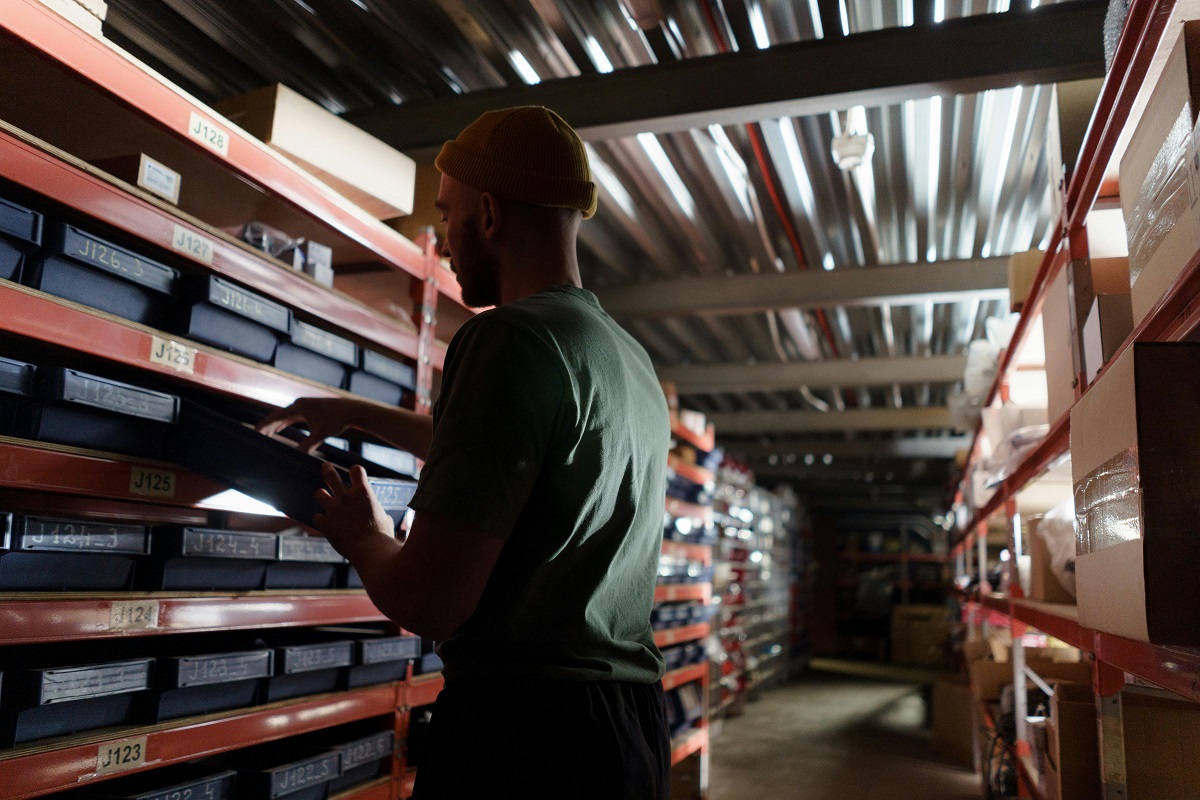
Storage is often treated as background infrastructure. Shelves are installed, containers are chosen, and attention moves elsewhere. In practice, storage directly affects how efficiently work gets done.
Poor storage choices waste space, increase handling time, and raise the risk of damage. Better-matched solutions support movement rather than complicating it. As part of broader efficiency reviews, many businesses reassess pallet boxes, modular containers, and, in some cases, dolavs to reduce unnecessary handling and improve stability within existing layouts.
When storage aligns with real workflows, waste reduces naturally. No extra rules are required.
Efficiency, Safety, and Compliance Move Together
Operational waste rarely exists in isolation. Inconsistent handling practices often increase safety risks and make compliance harder to maintain. This is particularly noticeable in regulated environments where traceability and consistency matter.
Guidance from the Health and Safety Executive repeatedly links structured handling with safer workplaces. Standards promoted by the British Standards Institution reinforce the same message: repeatable processes and durable systems reduce risk and improve control.
Waste reduction, in this sense, supports operational confidence as much as cost control.
Measuring What Actually Matters
Waste reduction stalls when it relies on assumptions. Businesses that make progress usually start with simple observation.
How often goods are re-packed. Where damage occurs. How much storage space is usable versus occupied. How frequently packaging or containers are replaced. These details are easy to overlook but difficult to ignore once seen.
Clear patterns tend to emerge quickly. Small adjustments follow. The changes are rarely headline-worthy, but they strengthen performance in ways that last.
The Financial Impact Is Real, Even If It Is Quiet
Operational waste behaves like a slow leak. It does not always show up clearly in reports, but it steadily affects margins.
Finance and operations teams increasingly work together to trace indirect costs back to inefficient processes. Reduced handling time, lower replacement rates, and better use of space all improve cash flow. Over time, this creates capacity for investment rather than constant correction.
Making Efficiency Part of Normal Work
Sustainable waste reduction does not depend on reminders or campaigns. It depends on the design.
Clear systems, reliable equipment, and realistic workflows reduce the need for workarounds. When processes support the people using them, effort shifts away from fixing problems and towards productive work.
Reducing operational waste ultimately comes down to clarity. Clear processes. Clear systems. Clear priorities. Businesses that focus on these areas tend to operate with less friction, meet compliance expectations more comfortably, and grow with greater control in an environment that allows very little margin for error.
Comments are closed.